Music

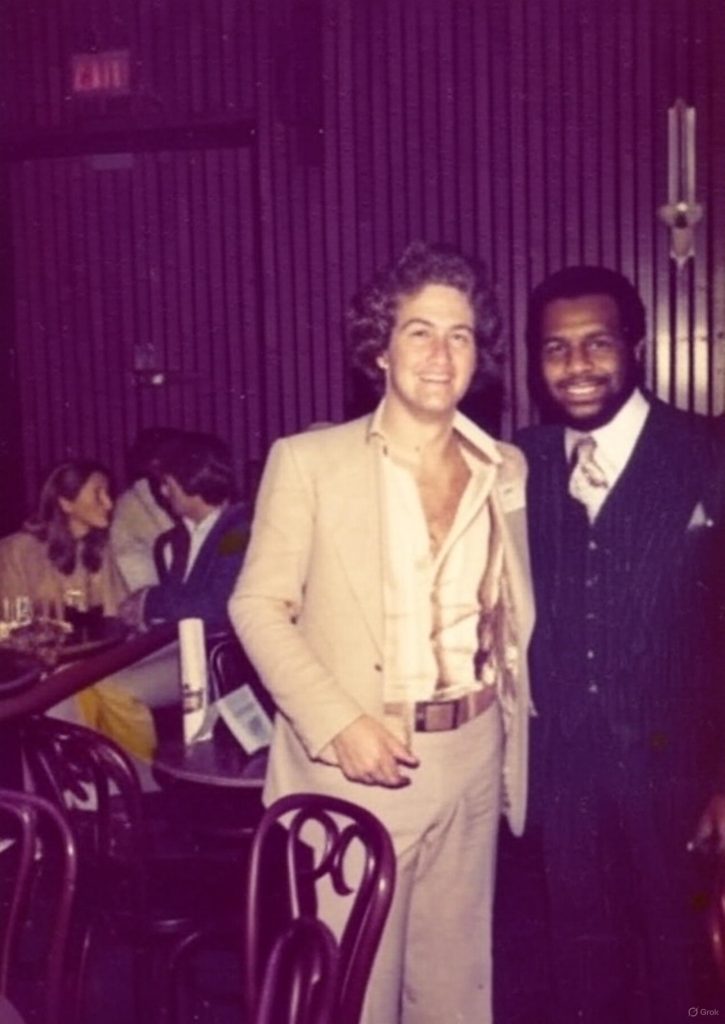
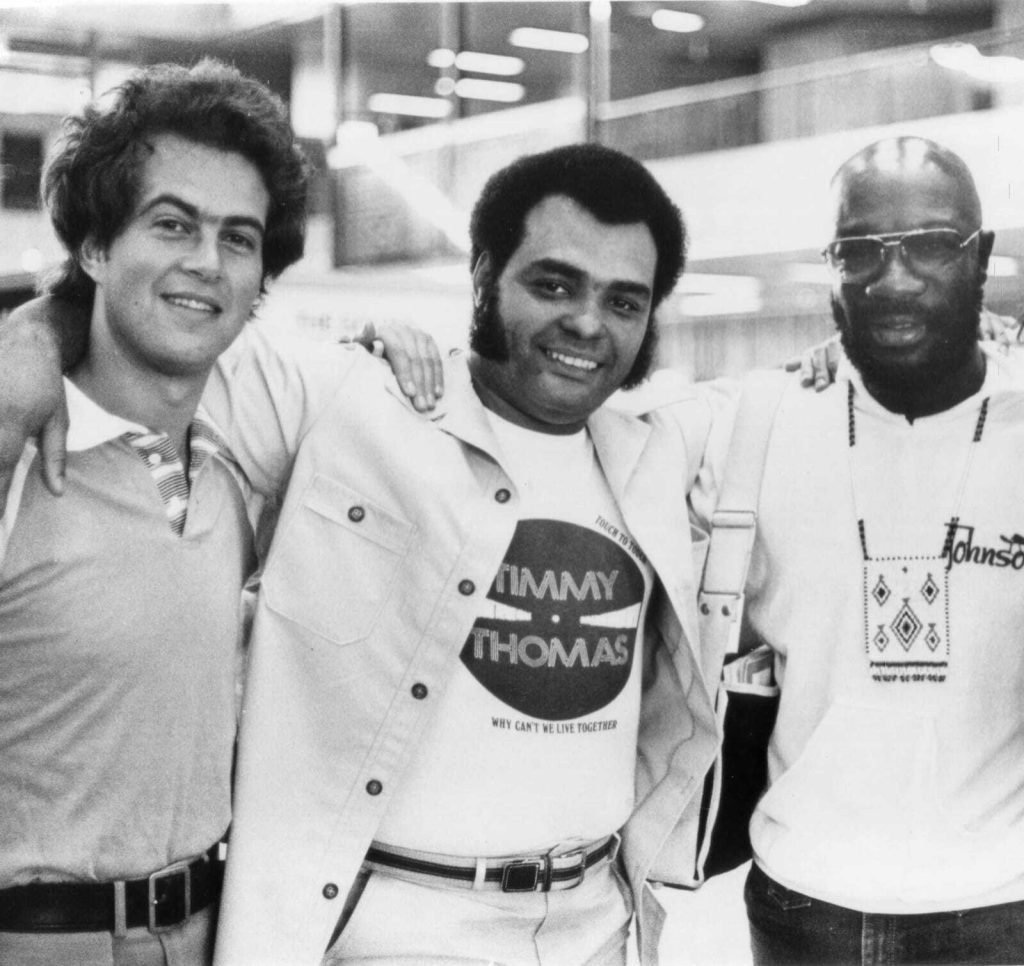
Mark Fine with Isaac Hayes & Timmy Thomas

Here stands Mark Fine with the iconic Isaac Hayes and his personal collaborator, the seminal Timmy Thomas. Hayes’ visit to South Africa the year I was born was not merely a concert; it was a cultural event. His performance at the Durban Roodepoort Deep Gold Mine, adjacent to my neighborhood, was documented in press photos that captured his seismic impact, cementing his idol status among Black South Africans.

Yet, it is Timmy Thomas who holds a uniquely sacred place in the nation’s heart. As the first American artist to perform in Soweto, his anthem “Why Can’t We Live Together” became an indispensable soundtrack to the anti-apartheid struggle—its plea for unity resonating with profound power. Its relevance was so enduring that on the eve of South Africa’s first democratic elections in 1994, Thomas received a personal invitation to perform for Nelson Mandela himself.
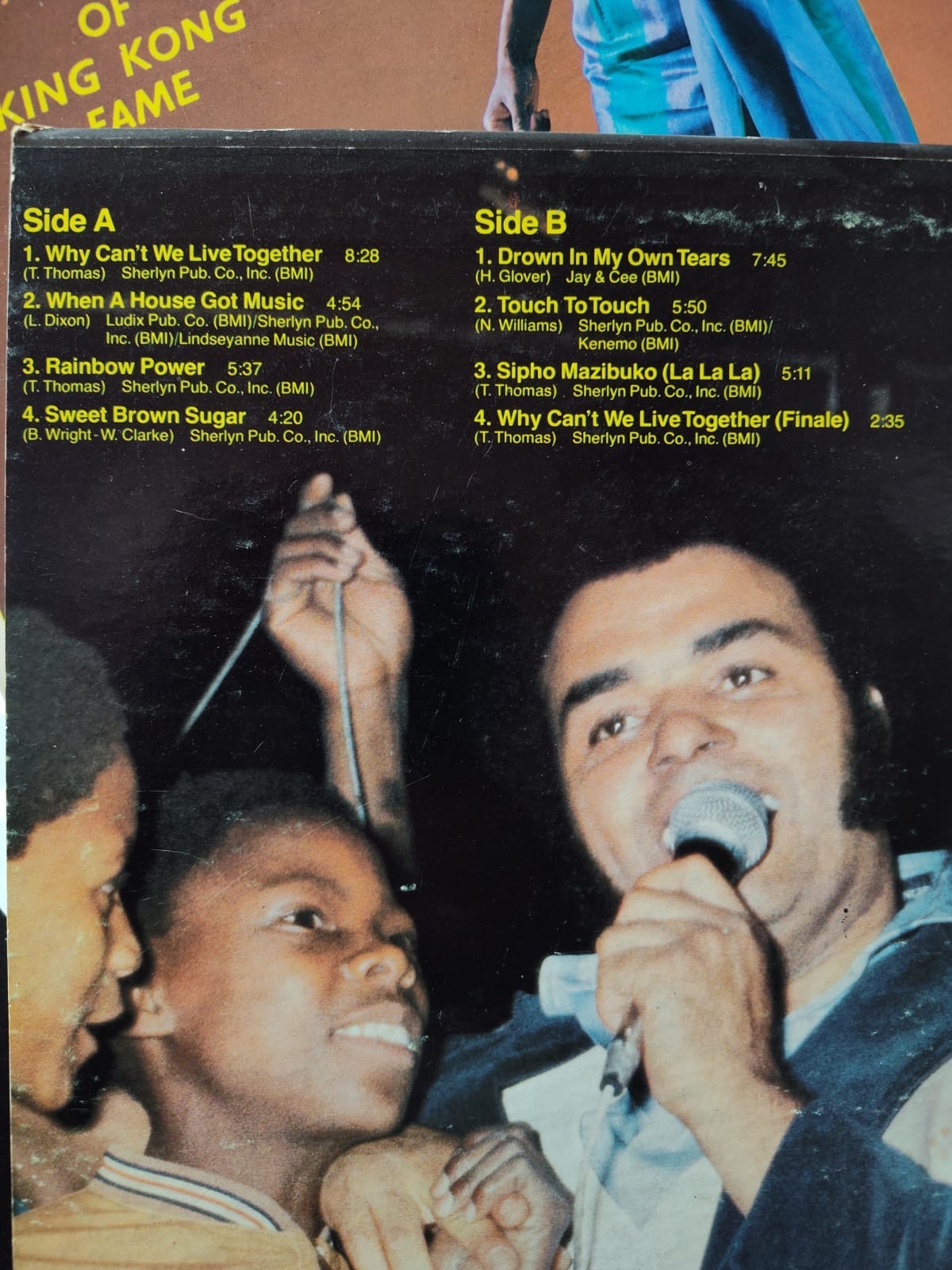
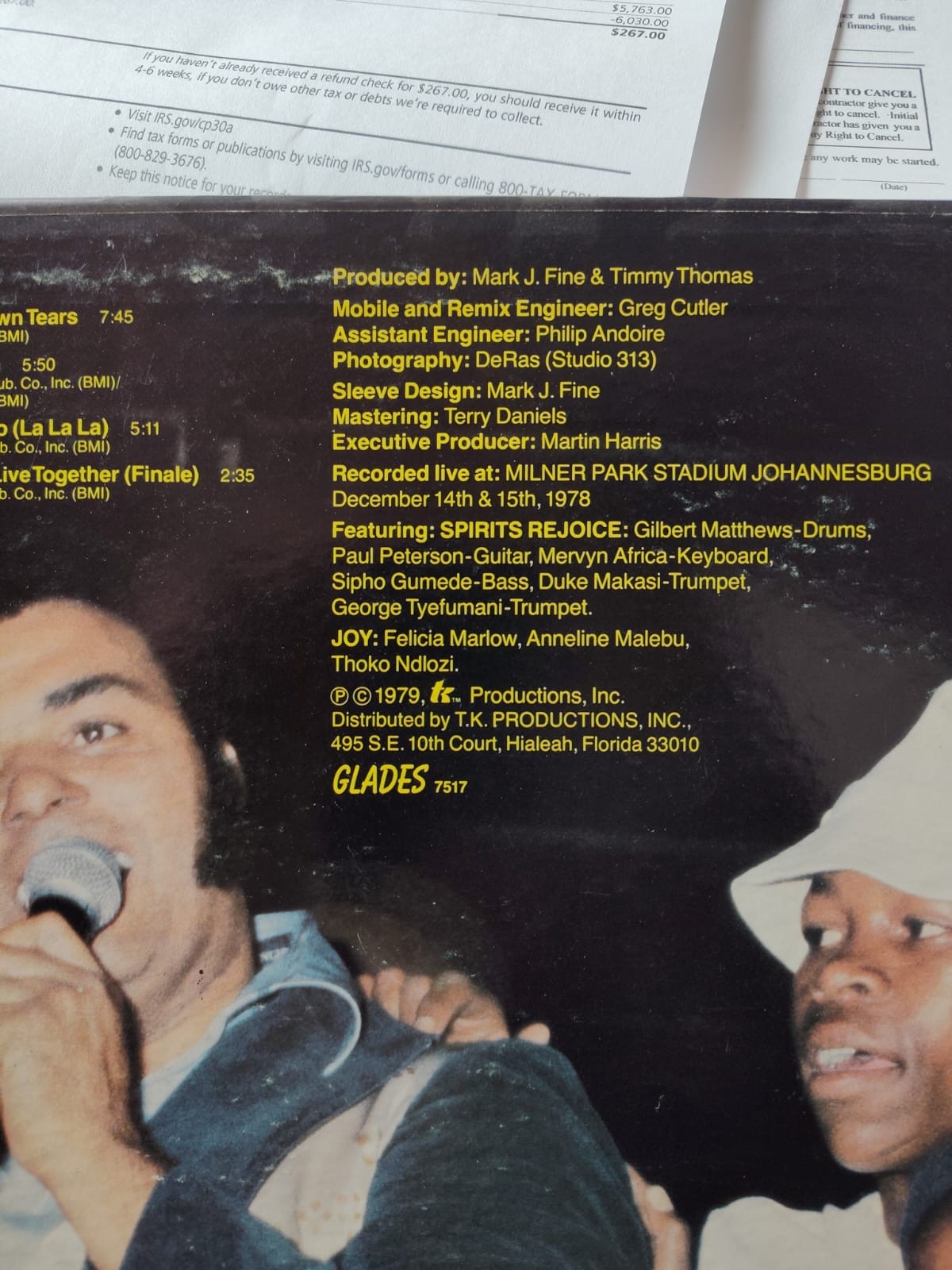
Mark Fine produced the album that captured this historic moment, and the musical alchemy is palpable. Backing Thomas on this deeply funky and soulful recording is none other than South Africa’s legendary jazz-funk outfit, “Spirits Rejoice,” with the group Joy on backing vocals—a gathering of musical titans that included:

  • Gilbert Matthews – Drums

  • Paul Petersen – Guitar

  • Mervyn Africa – Keyboard

  • Sipho Gumede – Bass

  • Duke Makasi – Sax

  • Thabo Mashishi – Trumpet

  • George Tyemfumani – Trumpet

  • Joy (Backing Vocals): Felicia Marlow, Anneline Malebu, Thoko NdlozI

This was more than a recording; it was a confluence of global soul and local genius, a testament to music’s power to defy borders and forge solidarity.

Mark Fine & Millie Jackson – 1978
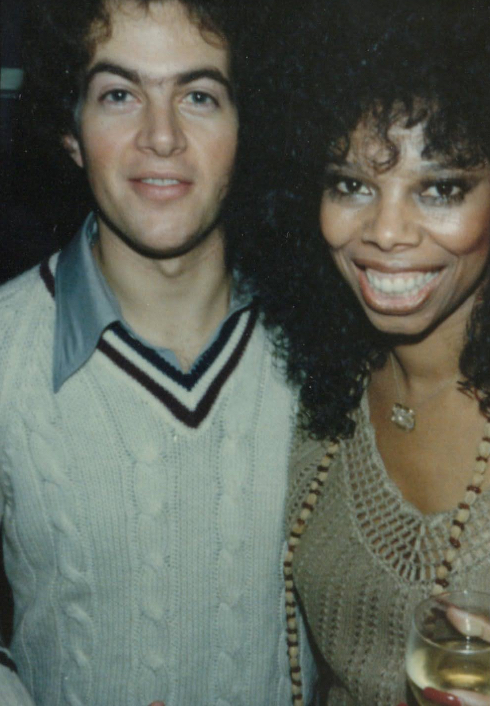
A rare glimpse of the real thing: Mark Fine and the magnificent Millie Jackson in ’78. While her battle hymns echoed globally, it was her intimate, spoken-word confessions—raw, hilarious, and brutally honest—that truly shook the walls of our home and reshaped our thinking.

Mark Fine & William Bell – 1978

Mark Fine and William Bell, 1978. The poignant confession of his song—”lighting somebody else’s fire”—provided the authentic, aching soundtrack to a thousand evenings, where American soul and our own local dramas fused into something beautifully, painfully intertwined.

Mark Fine with The Bar-Kays – Cleveland, 1978
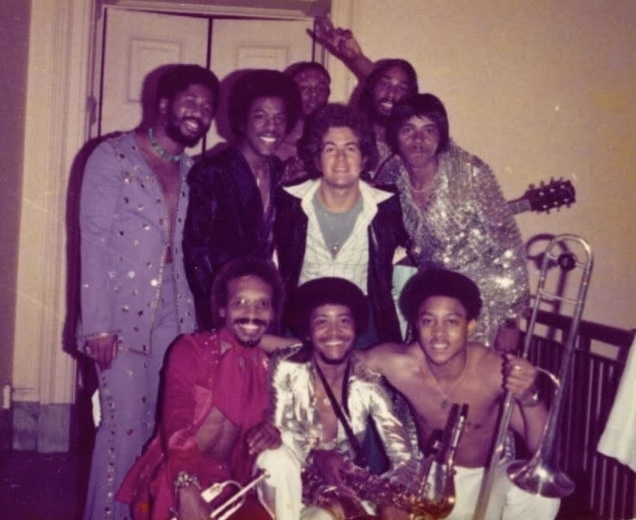
Cleveland, 1978 — Mark Fine with the legendary Bar-Kays, in the glorious era of bell bottoms and large collars. Chosen by Otis Redding himself and mentored by Booker T. & the M.G.’s, the Bar-Kays carried the Memphis sound into uncharted funk and soul. They backed giants like Isaac Hayes and Otis Redding, yet stood firmly in their own right as architects of a rhythm that still shakes the earth. Even the Sugar Hill Gang’s Rapper’s Delight tips its hat to them — proof of their fire, their reach, their groove. To stand with the Bar-Kays then was to stand with the pulse of an unforgettable age.

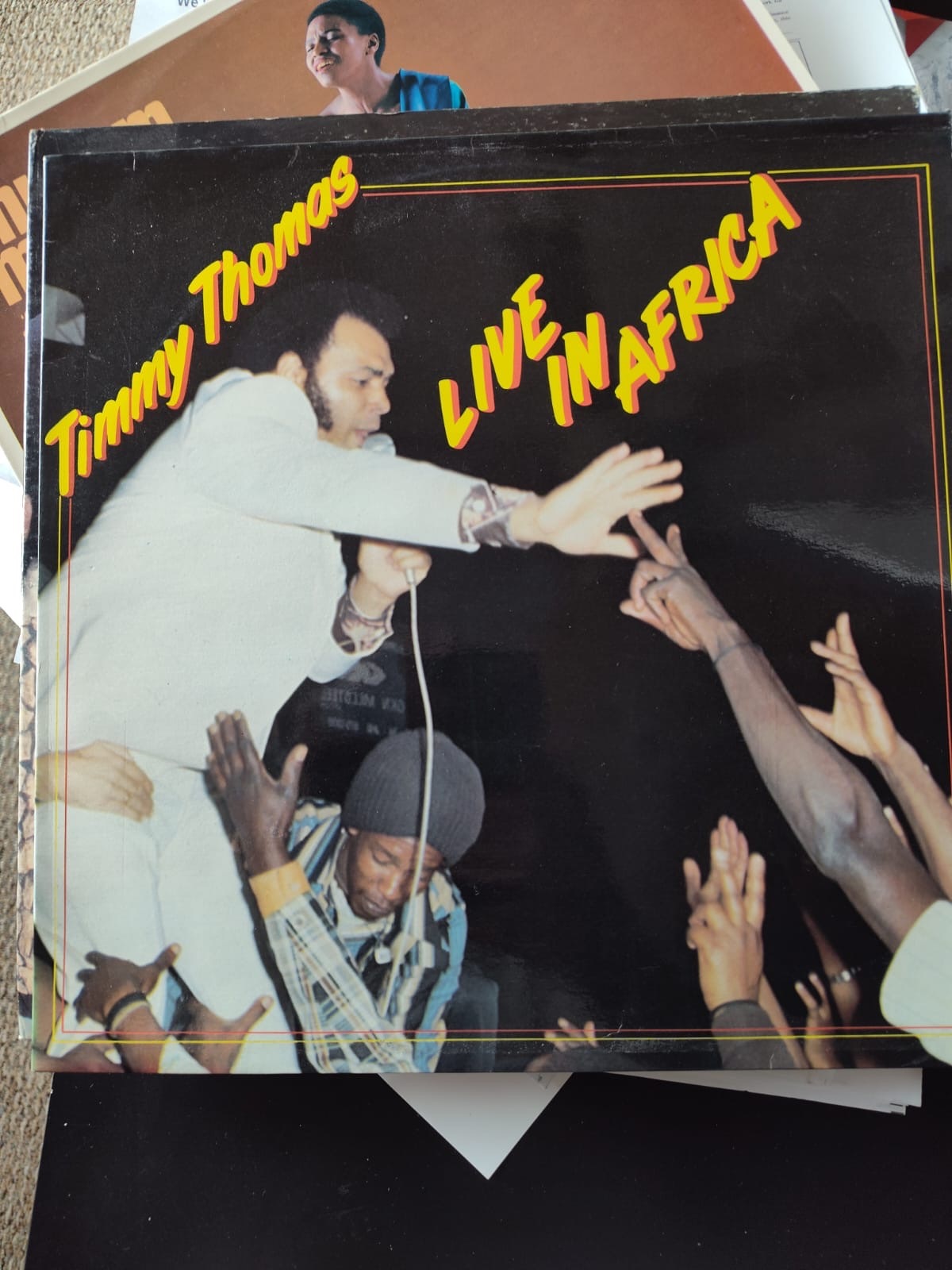
Timmy Thomas – Live in Africa Album / Milner Park, 1978

Timmy Thomas Live in Africa album: Of course. Here is a refinement that places the event within its necessary and fraught political context:

Amid the grotesque architecture of apartheid, a different kind of gathering was itself an act of defiance. So when Timmy Thomas took the stage at Johannesburg’s Milner Park in December of ’78, his message—“Why Can’t We Live Together”—was not a gentle plea but a moral grenade rolled into the lap of a racist regime.

And here is the necessary, pragmatic counterpoint to such ecstasy: the steadying hand of Mark Fine upon the artist. This was no mere gesture of crowd control. It was a bulwark against the delirious, yearning crush of a audience for whom this music was not entertainment, but a glimpse of a plausible future. Fine, co-producer of the album that carried this subversive gospel, understood his role: to ensure the prophet of soul was not physically dismantled by the very multitude he was emancipating, if only for one night. This is the raw, physical calculus of bringing a message of unity to a world engineered for fracture. A testament not just to music’s power, but to the often-invisible hands that must manage the revolution it inspires.

Mark Fine & Neil Cloud – Miami
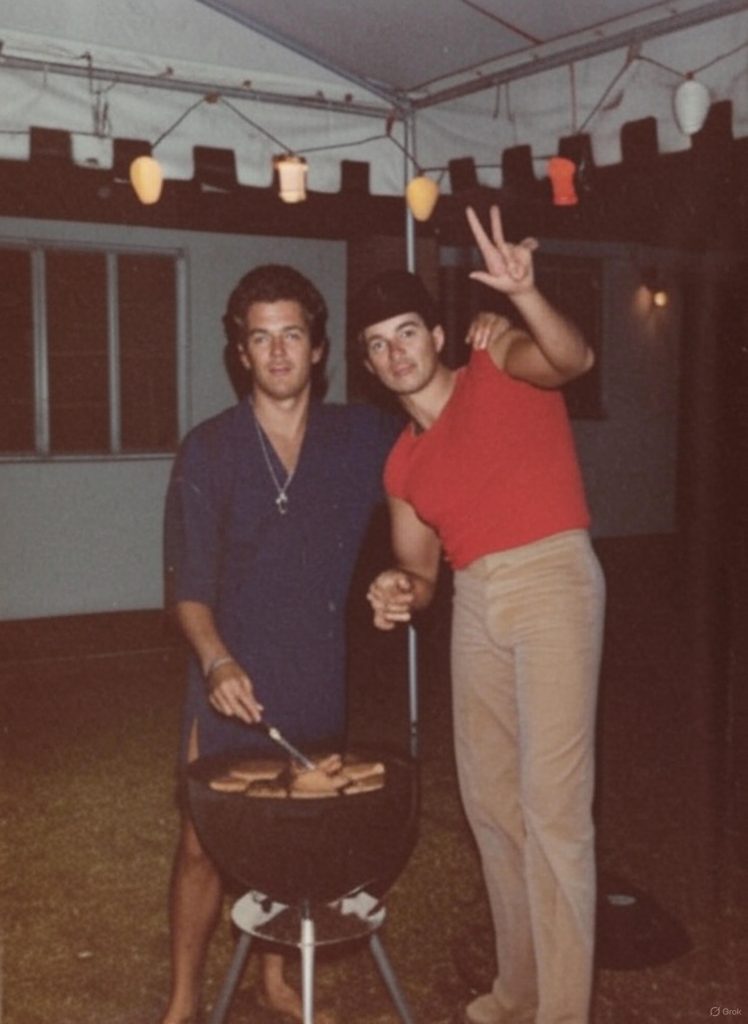
Mark Fine and Neil Cloud effortlessly igniting creative sparks over a blazing Miami braai—Rabbitt’s powerhouse drummer and South Africa’s ultimate rock export—at TK Records and Criterion Studio, during the production of Neil’s 12” dance track ‘Time of the Seasons.’ From world tours with Peter Frampton to masterfully honing his craft at Berkeley College of Music, Neil’s musical journey is undeniably legendary, leaving every note and rhythm charged with unstoppable energy.

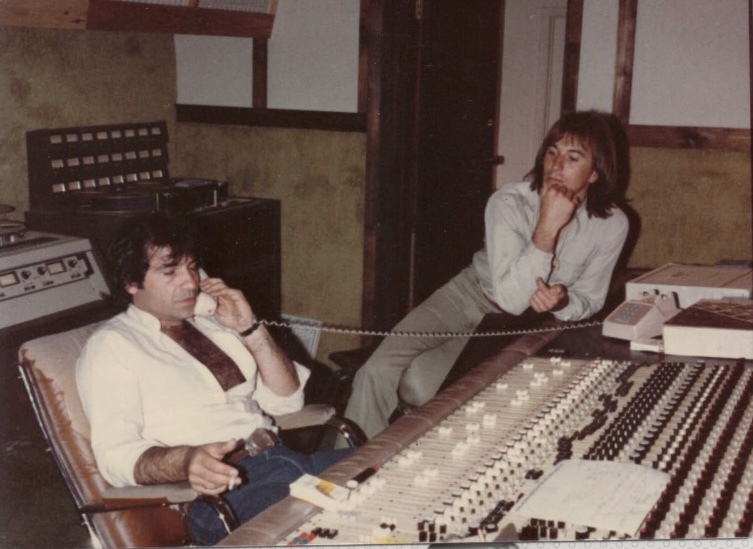
Mark Fine – Criterion Studio, Miami

Mark Fine at Criterion Studio, Miami, putting the finishing touches on Timmy Thomas’ final mix.

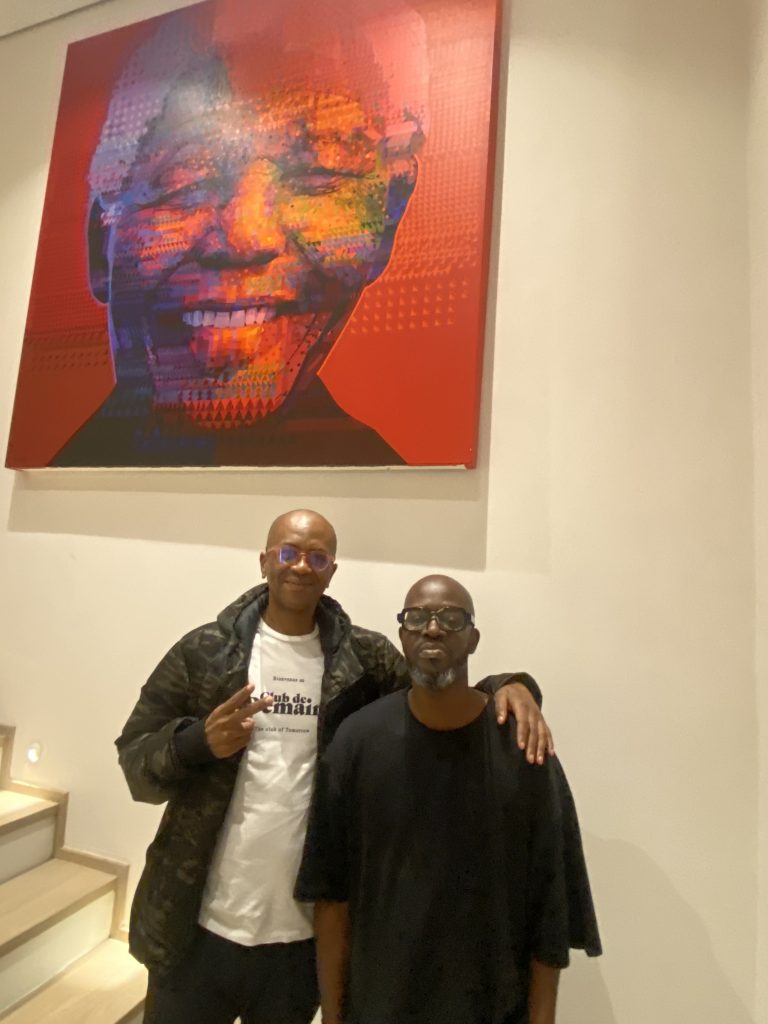
A full circle, composed with the elegant irony of history. Here, with DJ Black Coffee, the new custodian of the Gallo Records archive—the very institution where my writing partner, Mark Fine’s father once shaped the soundtrack of a nation as the CEO. And there, presiding over it all from the wall, the providence of Mandela’s portrait—a silent witness to this transaction of cultural inheritance. A pleasing symmetry, that the future of this iconic label is now in the hands of an artist who is its natural heir. The architect of the new school becomes the curator of the old. One can hardly imagine a more fitting evolution.
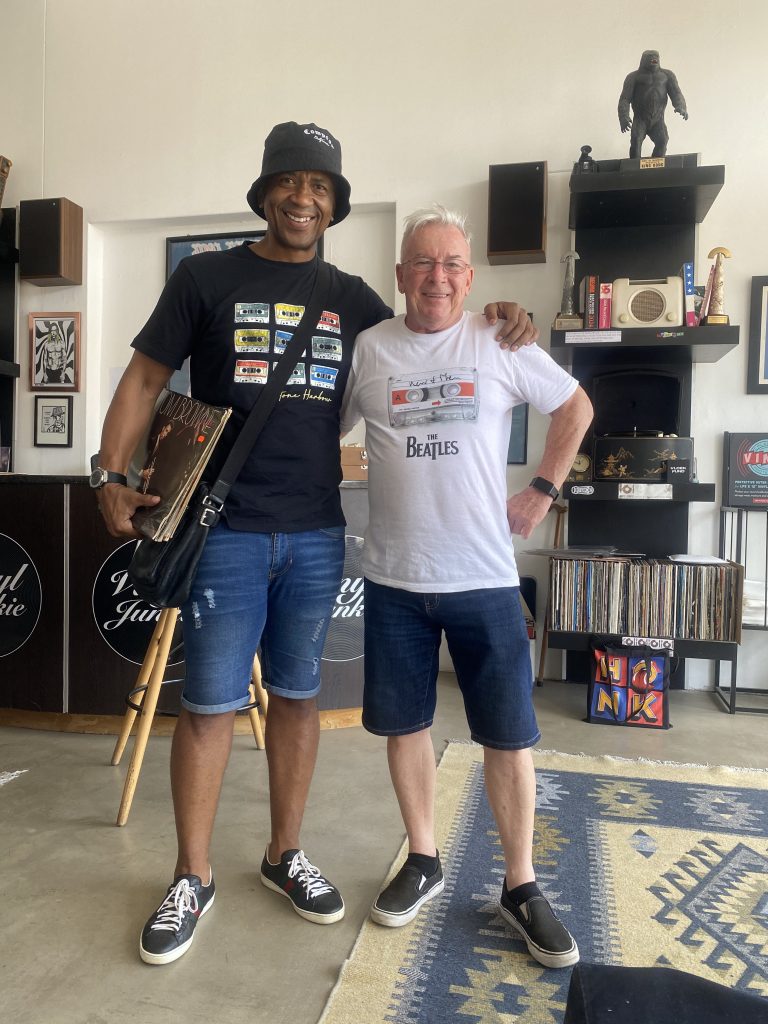
And here we find the high church of the analogue faith, its archbishop the indefatigable Benjy Mudie. This is my reliable source, my purveyor of musical heritage—a man who, let it be known, did not merely sell records. In those sepia-toned, perilous 70s, he and the irrepressible Mark Fine undertook a cultural insurgency, smuggling the incendiary sounds of soul, funk, and reggae into the very heart of Soweto. They dealt not in mere entertainment, but in liberation, one precious waxen scripture at a time. The proof is in this sanctuary, and in the man himself.

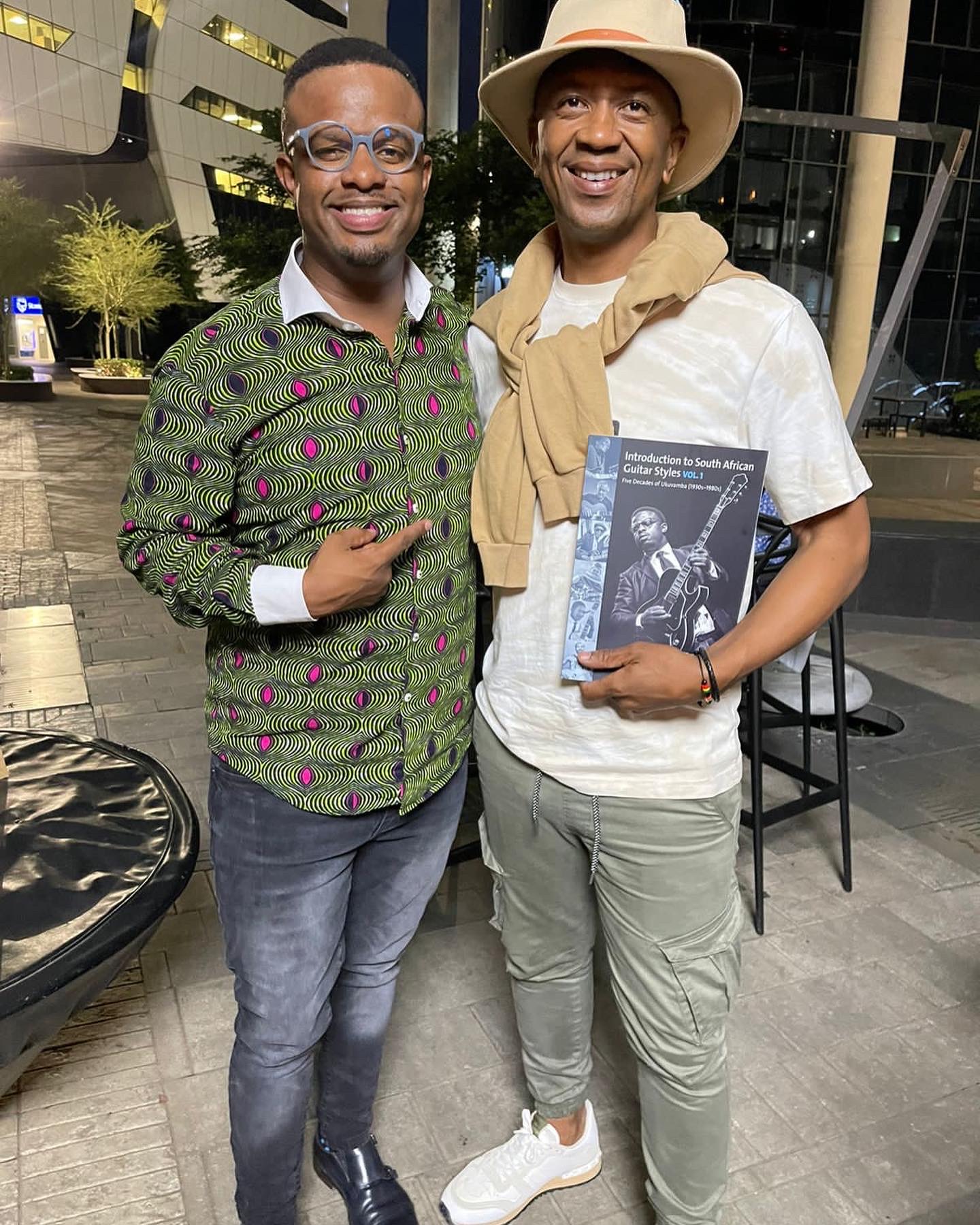
After an unforgettable night at eDikeni in Sandton, 2022 and catching up in 2023— celebrating my brother and friend Billy Monama, whose strings carry the soul of Africa. Guitarist, author, composer, researcher, producer, and visionary founder of The Grazroots Project and Mayibuye iAfrika — his music is not just heard, it is felt, rooted, and remembered.
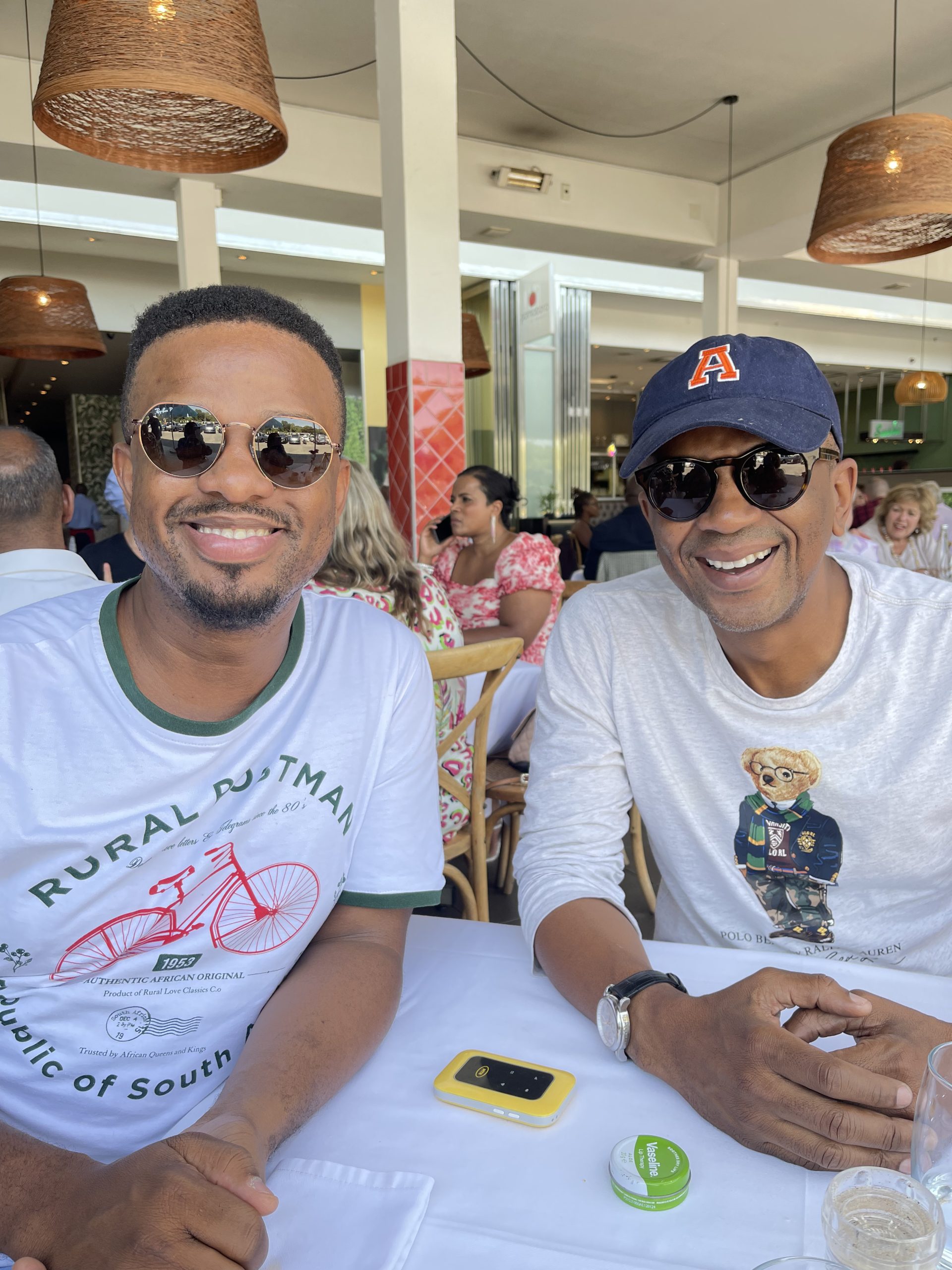
Face to face with Caiphus Semenya — not merely a hero, but the axis around which my own musical compass turns. His compositions were at once weapon and sanctuary in the long war against apartheid, and his hand in Quincy Jones’ Back on the Block detonated my understanding of what music could be. To call his influence profound would be miserly; I devoted an entire chapter of my book to his unmatched legacy, though a library would scarcely suffice.
In Franschhoek, 2023 — with the remarkable Zoe Molelekwa: pianist, composer, scholar, and the living flame of a lineage that gave us the genius of Moses Molelekwa, my late friend whose music still stirs the very air we breathe. Zoe carries more than a musical inheritance; in every note, in every pause, he conjures the spirits of those who came before, allowing the presence of ancestors to flow through his fingertips. His performances are sacred convocations — a communion with memory, loss, resilience, and brilliance. The air vibrates not merely with sound but with ancestral resonance, a reminder that true legacy is both inheritance and transformation. Through his music, Moses’ gift is honored, his own voice declared, and the spirits that move us are invited to dance among us still.
In Johannesburg, 2023 — with the legendary Sipho “Hotstix” Mabuse: musician, storyteller, and living heartbeat of a nation. For many of us, he is more than an icon; he is a cherished thread in the tapestry of our childhood memories, the soundtrack of our earliest joys and first dances. In every rhythm, every drumbeat, every melody, he summons the spirits of our forebears, carrying the echoes of township streets, freedom songs, and the pulse of a people who refused to be silenced. His music is a sacred conversation with memory and resilience, a bridge between generations where joy and struggle intertwine. The air around him vibrates with ancestral presence, reminding us that culture is both inheritance and living transformation. Through his art, the stories of the past are honored, his own voice rises in celebration, and the spirits that shaped our history are invited to move among us still.
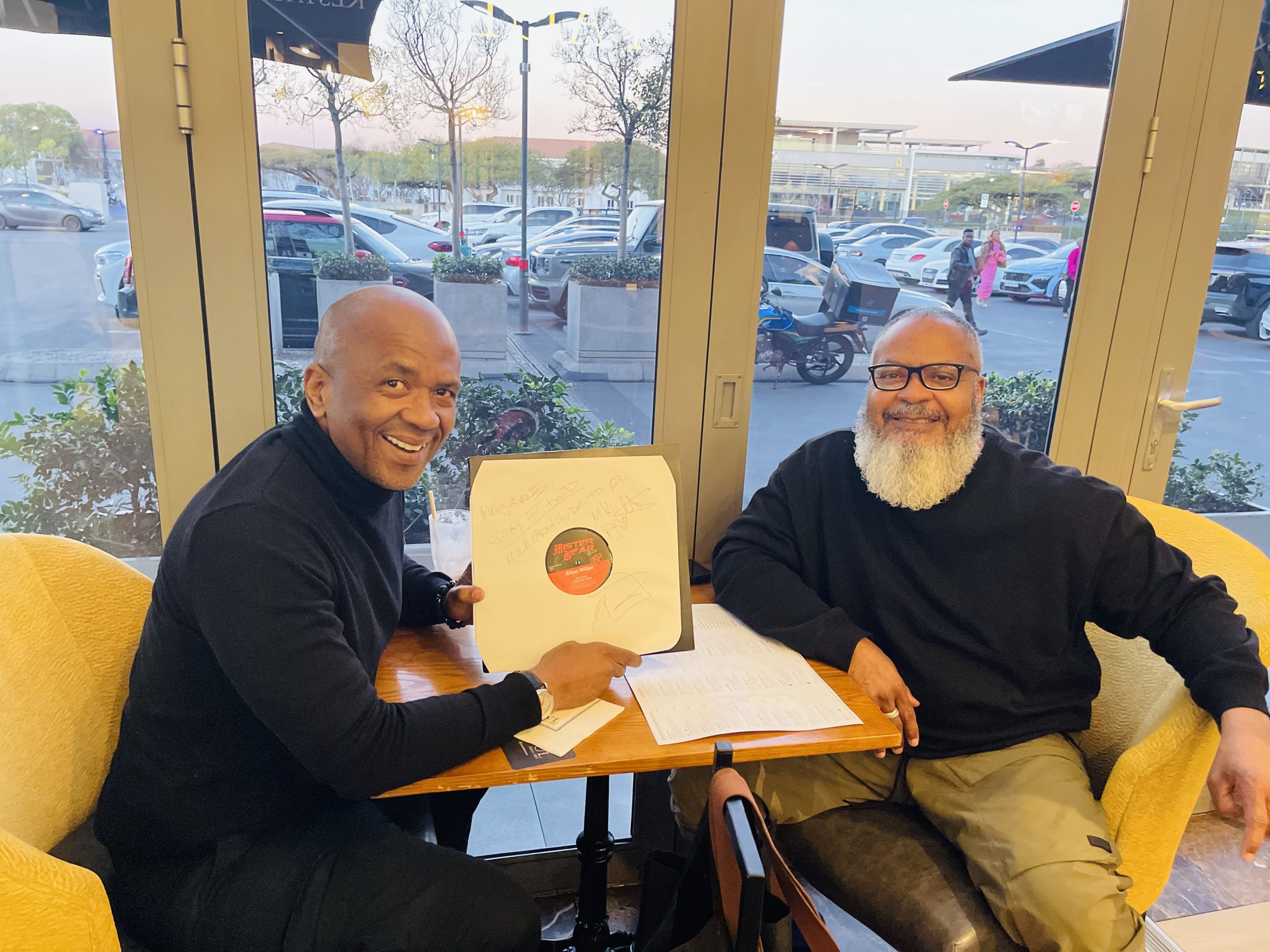
With the incomparable DJ Alton Miller: master of rhythm, keeper of the dance floor, and guardian of the deepest grooves. The genesis of our connection is “Don’t Go Lose It Baby” by Hugh Masekela — one of the first rap songs in South Africa, alive with irresistible grooves — a track that spoke to both of our spirits back in the 80’s in ways words could never capture. Alton does more than spin tracks; in every beat, every subtle transition, he brings the music to life, making you feel it in your bones. Being with him in the mix is not just hearing music; it’s experiencing it, moving with it, and remembering why rhythm matters, why a song can leave an indelible mark on your soul. Alton’s music doesn’t just play; it awakens, it celebrates, and it invites you to dance in ways you never forget.
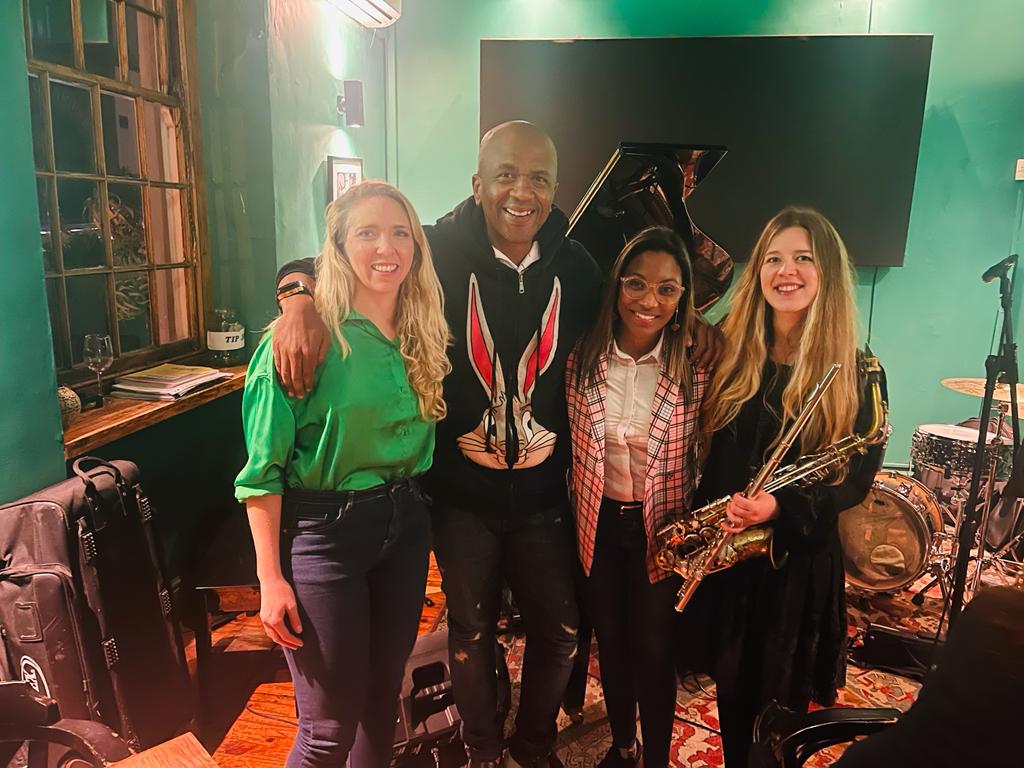
Hanging out at the Piano Bar, Cape Town, in 2022, with Melorie Jane — an award-winning contemporary jazz artist whose career is as multifaceted as it is impressive. She doesn’t simply play Afro-funk jazz; she interrogates it, stretches it, bends it until it confesses new possibilities. Chanté Phillips, the drummer, is a force of nature — timing precise enough to make a metronome weep, energy enough to light the stage, presence enough to make the audience forget themselves. And then there’s Danél Dippenaar, saxophone, clarinet, and flute in hand, a man whose melodies wind themselves around you like smoke, lingering long after the notes have ended. Together, they make music that doesn’t just entertain — it insists, it challenges, it delights. One leaves such a night feeling not merely elated but slightly chastened: reminded that excellence, when it chooses to show up, is both humbling and infectious.
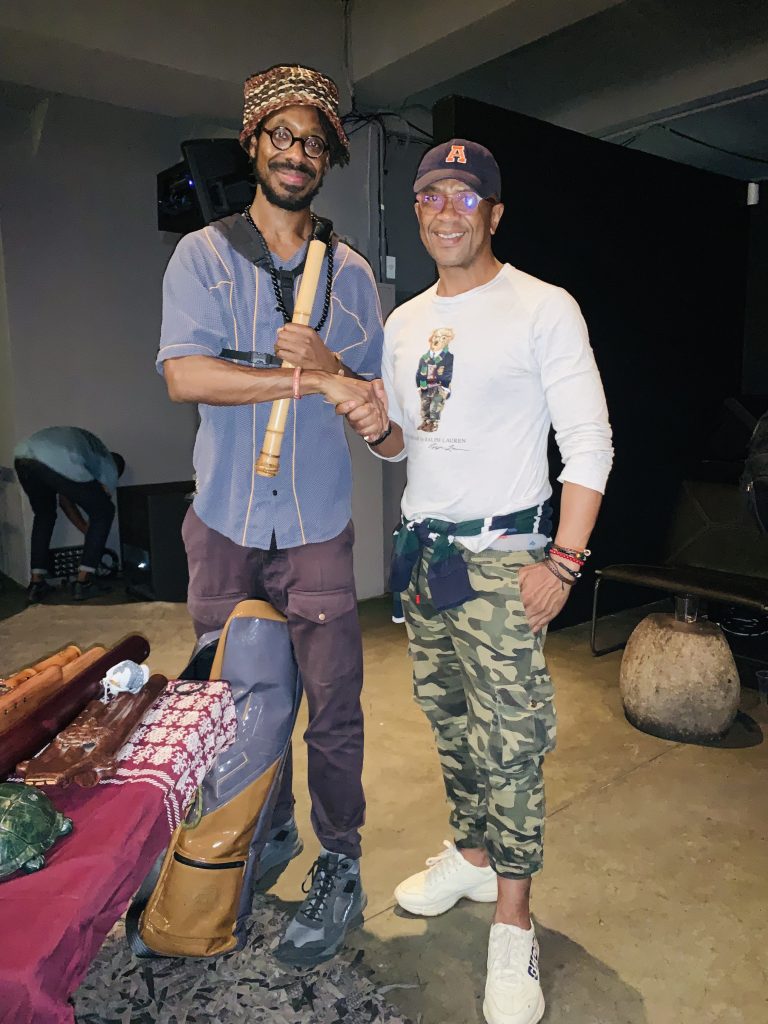
In Johannesburg, 2023, with Shabaka Hutchings — saxophonist, bandleader, and one of contemporary jazz’s most audacious voices. Hutchings doesn’t merely play; he insists, provokes, enthralls. Tradition, improvisation, bravado: he fuses them until the music lives on its own terms. Every note declares, every pause challenges, every crescendo commands attention. You don’t hear jazz — you feel it, in your chest, along your spine, in the way your imagination scrambles to keep pace. One leaves slightly chastened, slightly exhilarated, entirely convinced: brilliance, when it arrives, arrives unapologetically.
In Johannesburg, 2023, with Lerato Lichaba — my next-door neighbour in Mzimhlophe, my brother in music and spirit. Self-taught guitarist, composer, arranger, and founder of Urban Village, his knowledge of music is out of this world. He doesn’t play — he constructs, bends, and commands sound with a vision all his own. Corners of Forgotten Theories takes you to a place both forgotten and familiar. With Lerato, you are not just listening; you are transported, unsettled, and profoundly moved.
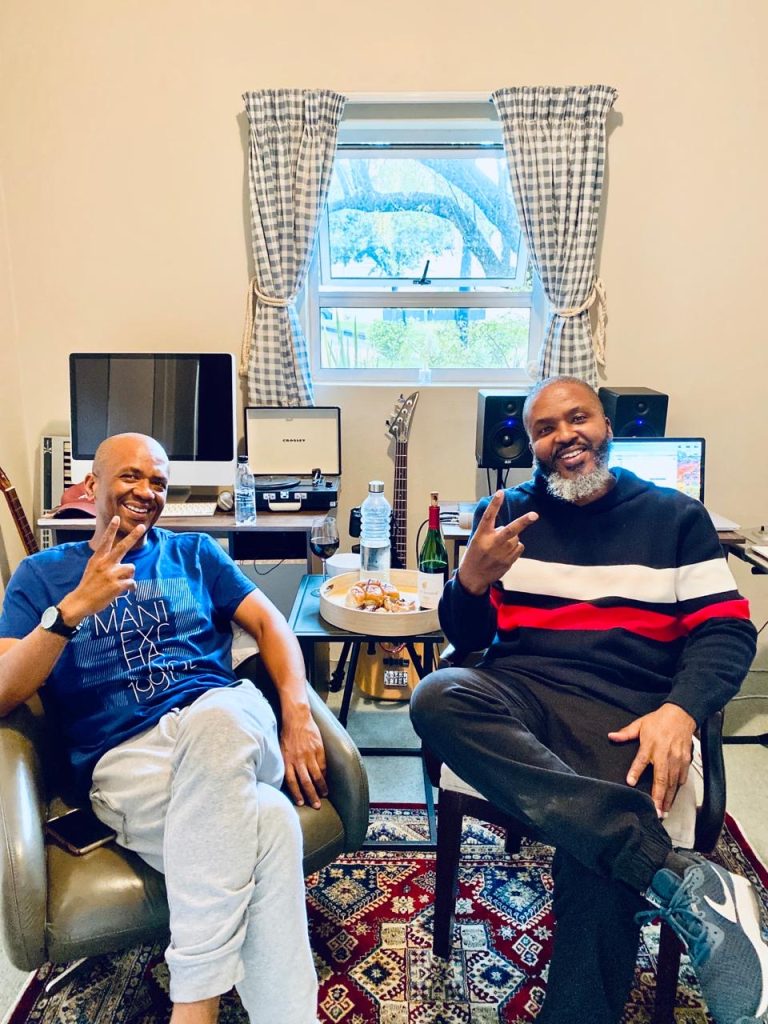
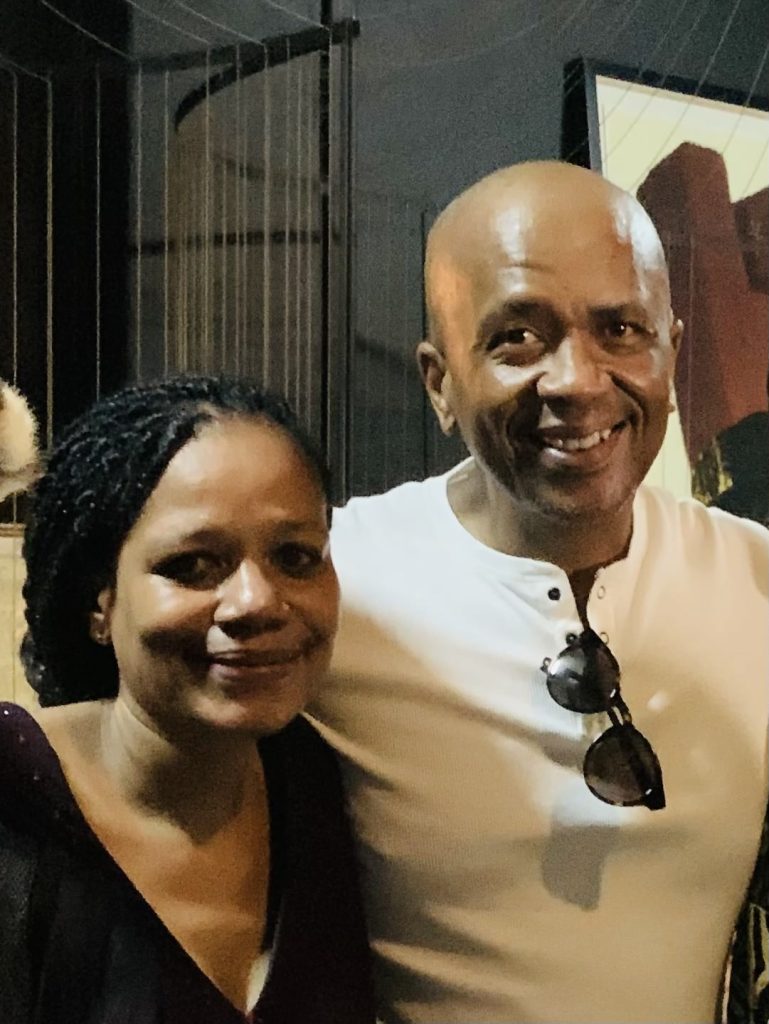
NM & FL: My friend and brother, Fix — musical genius, multi-genre producer, economist by training, banker by profession, and music visionary by choice. He is my go-to producer, my ultimate musical partner. Together we have built songs, grooves, and moments that linger long after the final note. Fix doesn’t make music; he shapes it, elevates it, makes it breathe. Beyond the studio, he is a friend — steadfast, inspiring, irreplaceable.
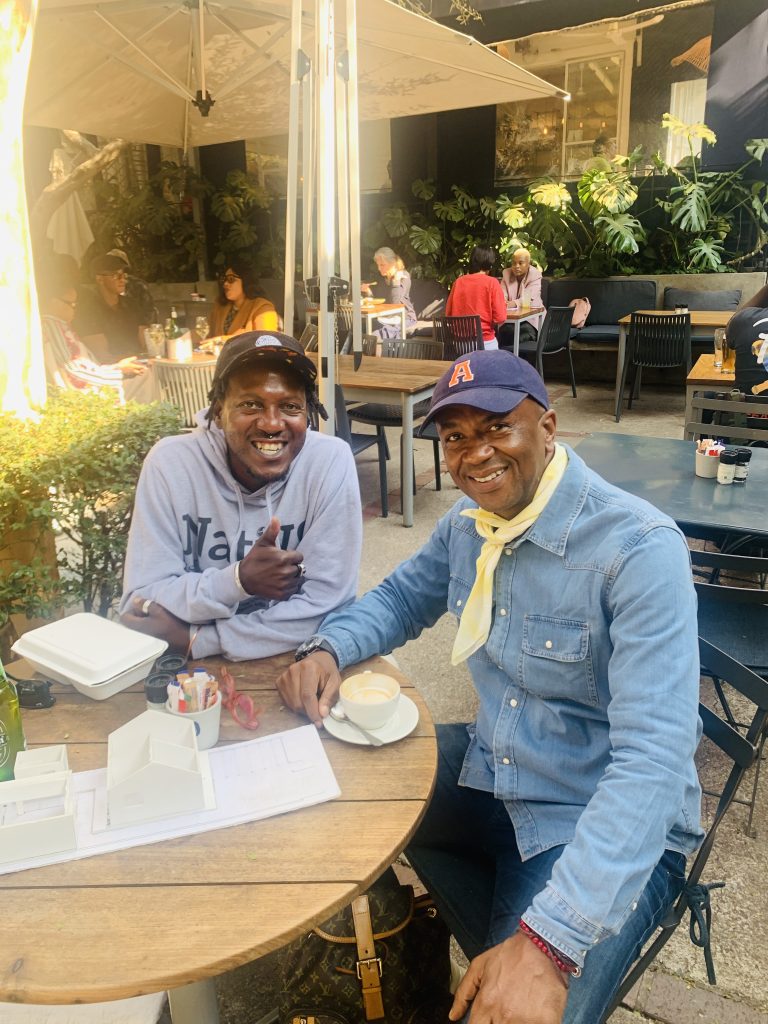
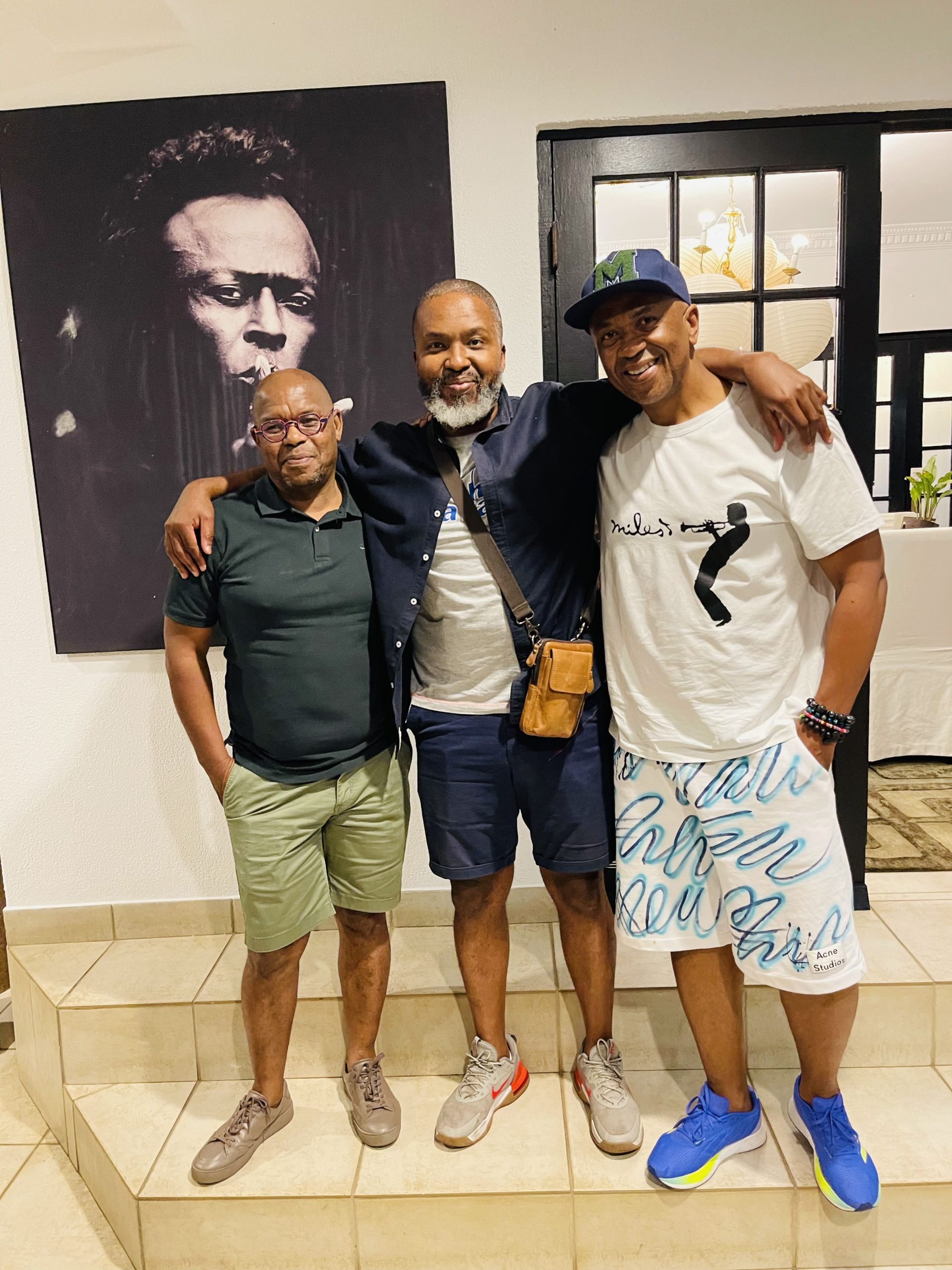
Cape Town, 2024 — with two extraordinary masters of their craft: Khaya Mthembu Salter, whose guitar bends tradition, jazz, and African rhythms into a voice entirely his own, and Muneeb Hermans, whose soulful trumpet melodies and multi-genre vision breathe life into every note, every groove. In their company, music is not simply heard; it is felt, shared, dissected, celebrated, and carried long after the last sound fades. Together, they remind you that artistry is not just skill but presence, curiosity, and the courage to shape sound into something unforgettable.
Hanging with HRH Prince Sihlangu kaZwelithini — known to the world as Zulu Soul — after a studio session in Sandton, 2023. He is one to watch: his voice soars, his presence commands, and every note carries the weight and beauty of Zulu culture. A preserver, an ambassador, and a musician whose artistry insists you pay attention.
In Johannesburg, 2024, with Zenzi Makeba Lee — singer, storyteller, and heir to her grandmother, the legendary Miriam Makeba. Her voice carries ancestral memory and the profound responsibility of a remarkable legacy, bending jazz, soul, and African rhythms into something entirely her own. She doesn’t merely perform; she commands, inhabits, and transforms every stage, reminding us that true artistry is both urgent, sacred, and unforgettable.
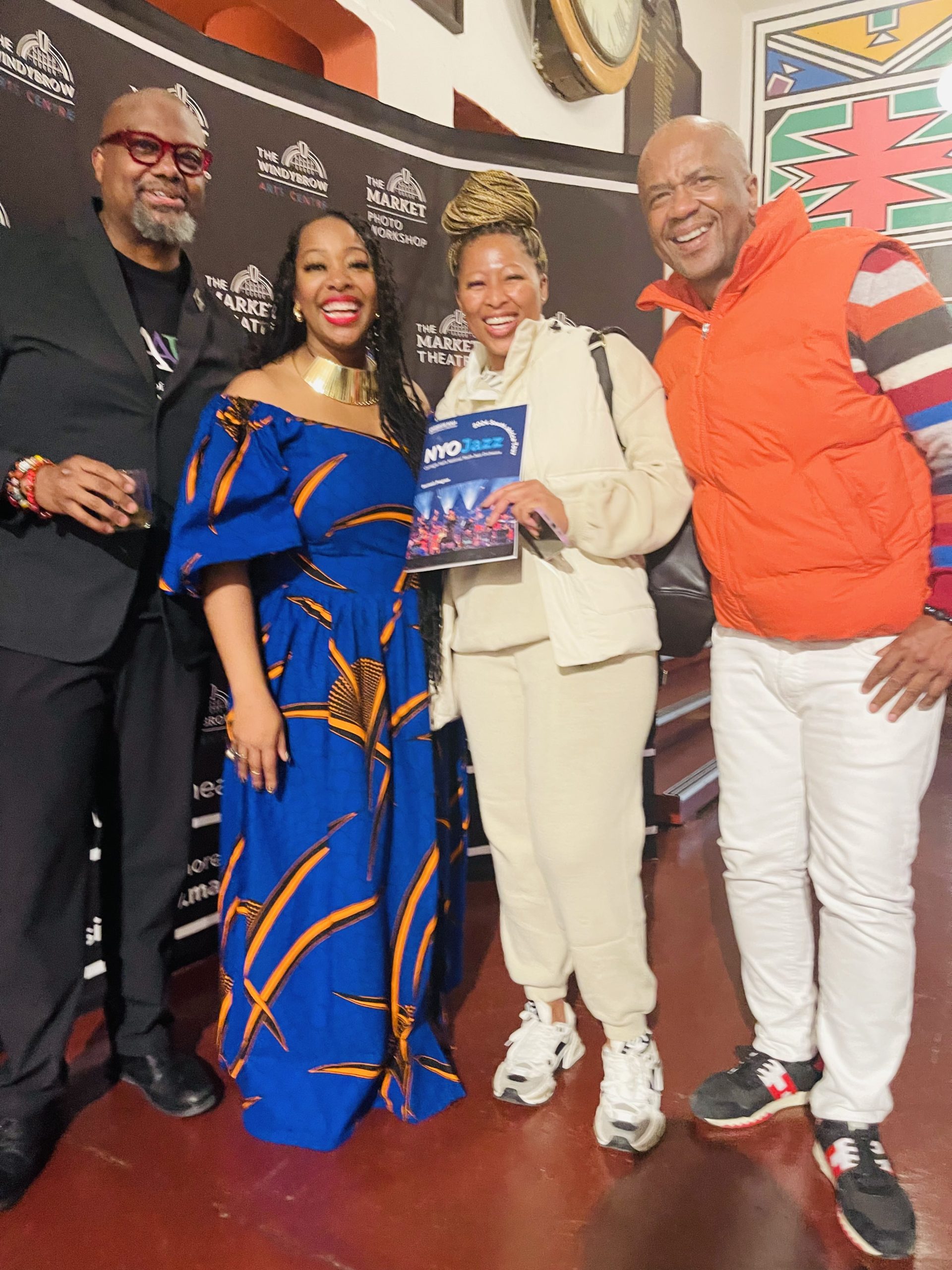
Sane & I hanging out with Alicia Olatuja, and Sean Smith after a transcendent performance by NYO Jazz — Carnegie Hall’s youth big band — at Johannesburg’s Market Theatre, July 2024. A transatlantic conversation in sound, where American discipline meets African rhythm, classical rigor meets gospel fire, and jazz imagination stretches across borders. Alicia’s voice defies gravity, uplifting and astonishes; Sean’s trumpet converses, commands, and inspires. Together, they prove that music, when shared across cultures, becomes urgent, alive, and unforgettable.
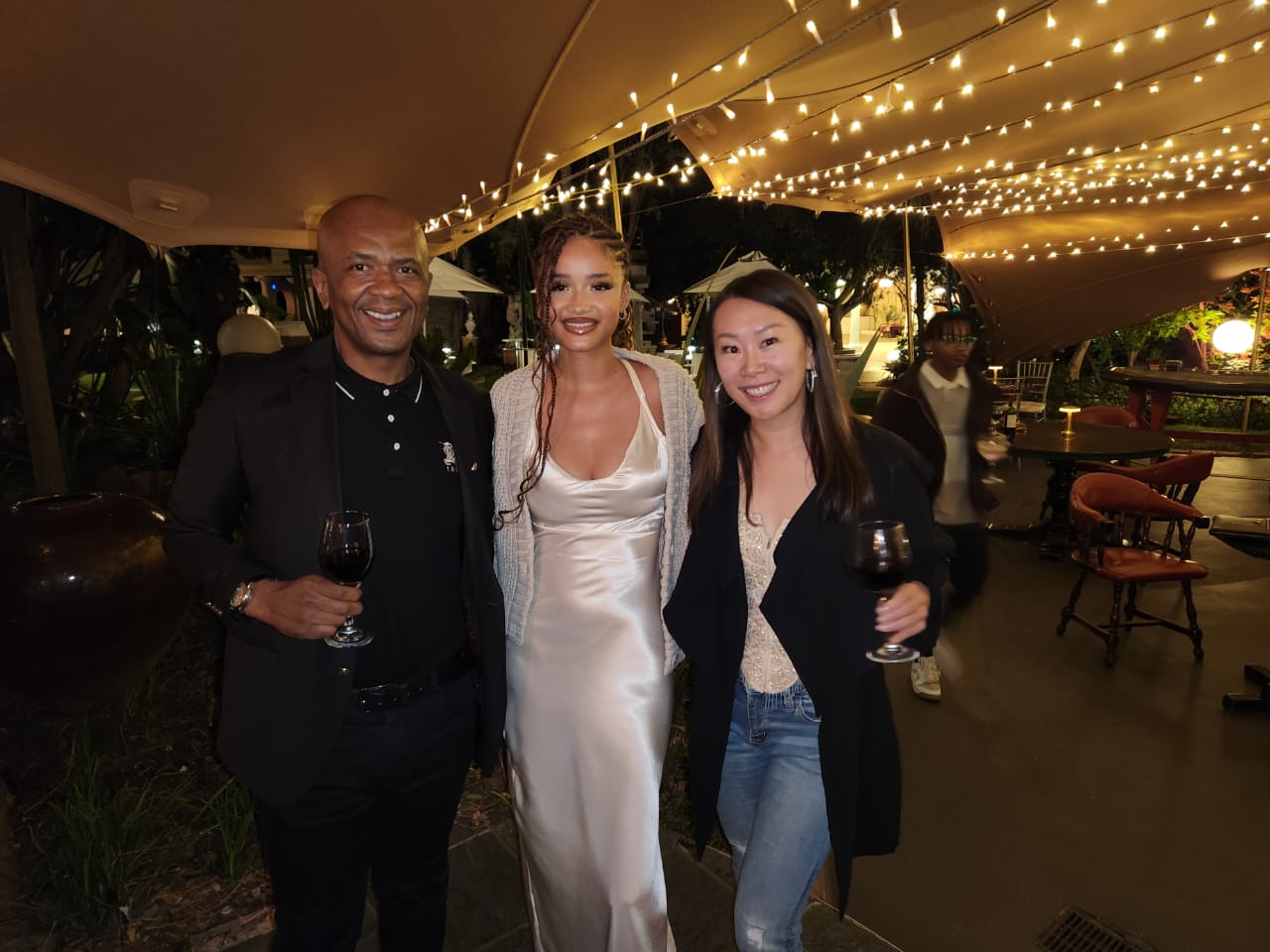
Hanging out with Rita and Omolola Péguillan at Villa Simonne in Houghton — a Parisian-themed gem in Johannesburg that conjures the smoky cafés of Saint-Germain-des-Prés. Omolola’s voice transformed French classics into something urgent, intimate, and entirely alive. The room leaned in, caught between Parisian elegance and Johannesburg vitality. Jazz here wasn’t just performed; it was felt, lived, and impossible to forget.
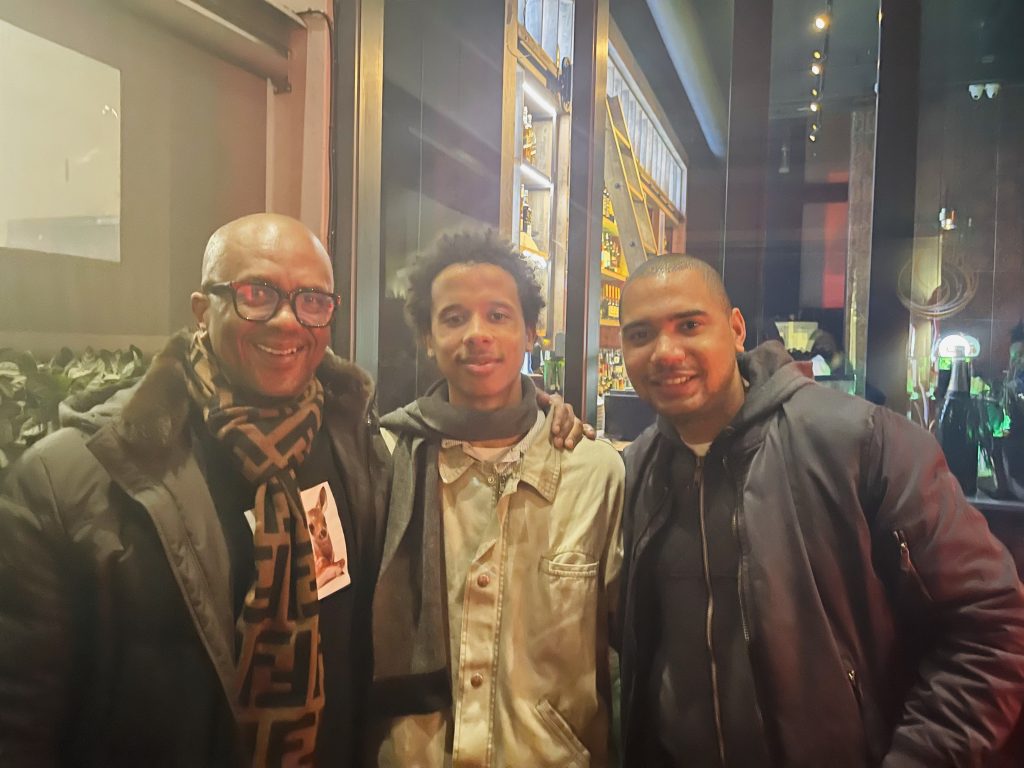
Sandhurst, 2024 — revelling deeply in jazz with a music connoisseur, investment banker extraordinaire, and passionately visionary founder of the Mmarthouse: a space where artists, curators, and collectors converge, converse, and collaborate. Here, culture isn’t passive; it is cultivated, debated, and celebrated — a living dialogue that shapes the art community and proves that creativity thrives where vision meets execution.
Scroll to Top