When apartheid officially ended, many people believed the struggle was over. Freedom had arrived. The laws had changed. A new chapter had begun. I believed that too, at least for a while. I remember the feeling of hope in the air. It felt like we could finally breathe. But as the years passed, I began to understand something important. The beat did not end with apartheid. It simply changed its rhythm.
I want to share, not as a writer, but as someone who lived through those years and lived through what came after. This is not about blame or politics. It is about life as it continues to unfold. It is about the quiet struggles that do not always make headlines, but still shape people’s lives every day.
Freedom Came, But Life Stayed Complicated
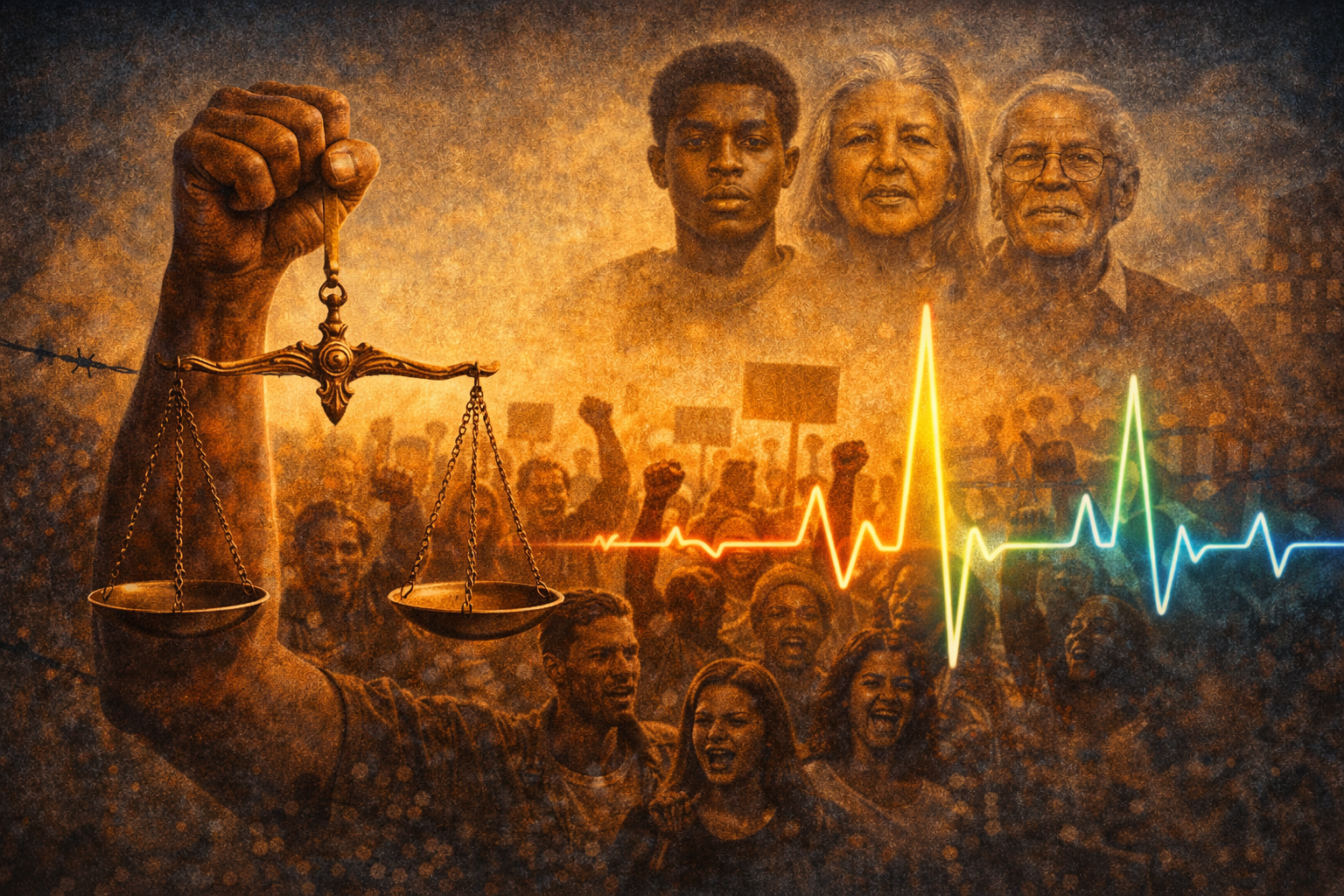
After apartheid, we gained rights that had been denied for generations. That mattered. It still matters. But freedom on paper does not always mean freedom in daily life. Many communities remained the same. Poverty did not disappear. Inequality did not suddenly vanish. Old wounds did not heal overnight.
I saw people who had survived the hardest years still struggling to find work, safety, and dignity. I saw young people growing up with dreams, but without the support to reach them. I saw frustration replace hope in quiet ways. You may recognize this feeling too, even if you live far from South Africa. The details change, but the struggle often feels familiar.
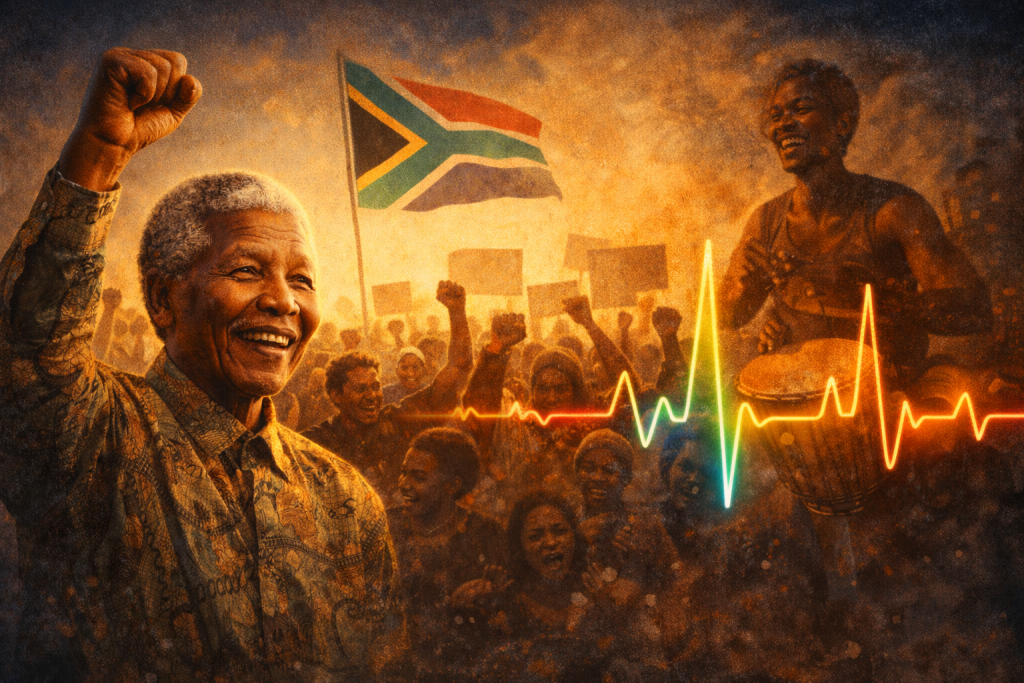
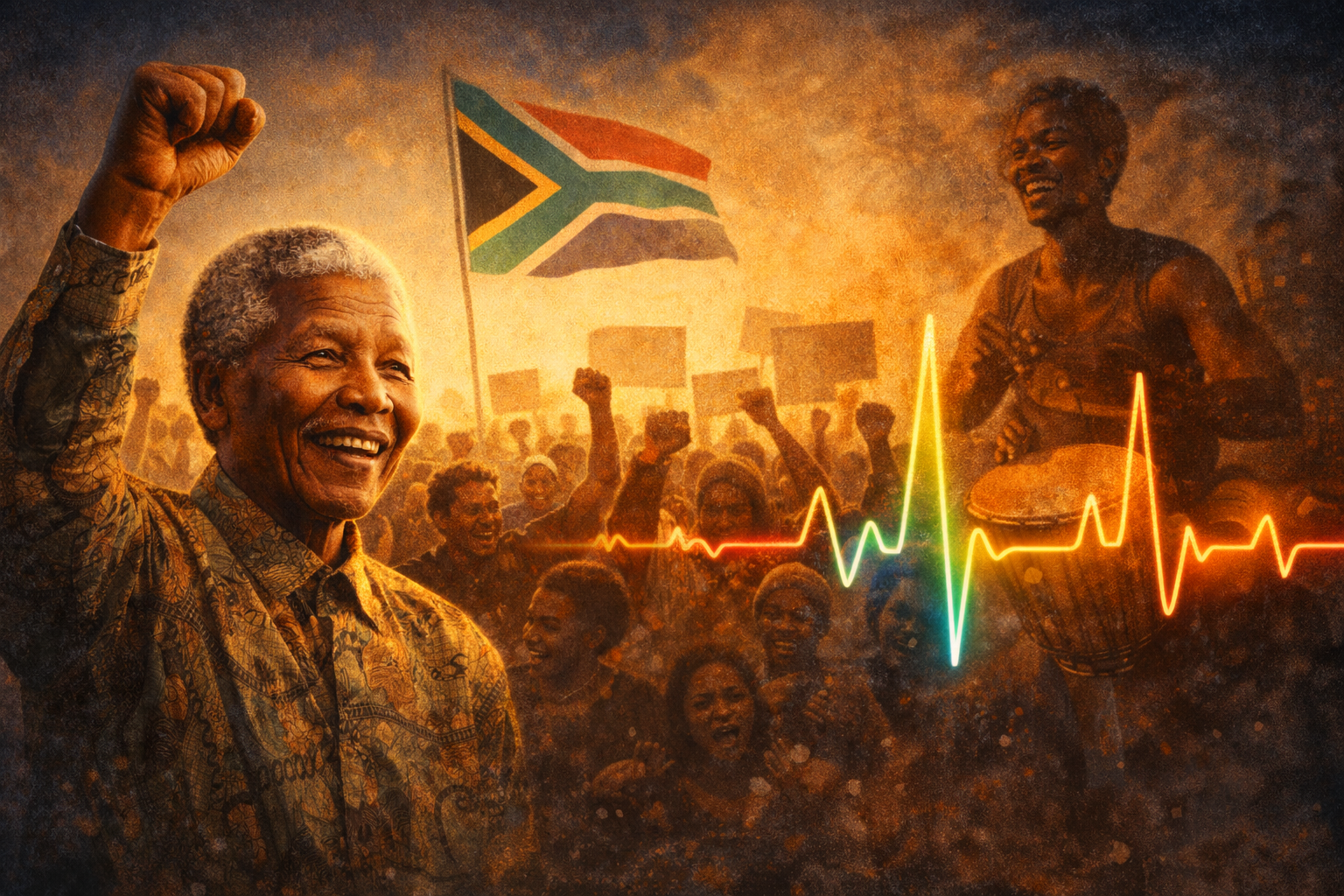
The beat was still there. It was slower sometimes. Heavier. But it never stopped.
The Weight That Gets Passed Down
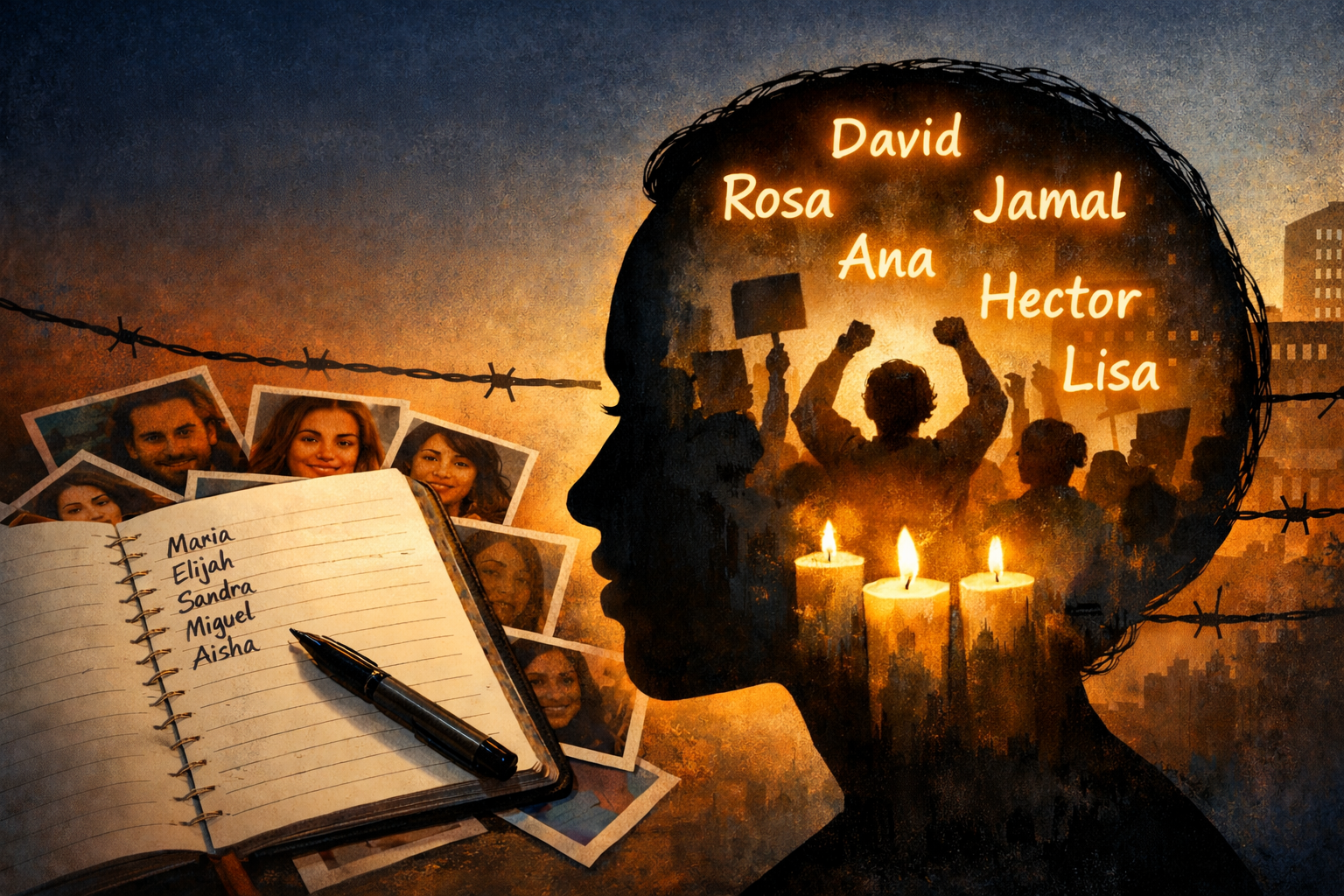
One thing I have learned is that struggle does not end just because time moves forward. Pain can be passed down, even when people try to protect the next generation. Children grow up hearing stories, seeing scars, and feeling tension that they cannot always explain.
You might have experienced this in your own life. Maybe not through apartheid, but through hardship, loss, or injustice of another kind. These things live in families and communities. They shape how people see the world.
For me, this realization was difficult. I wanted the next generation to be free in every sense. I wanted them to live without carrying what we carried, but healing takes time. Honest conversations take courage, and ignoring the past does not make it disappear.
How Music Still Speaks
Music helped me survive the past, and it still helps me understand the present. The songs have changed, but the message remains. People still sing about struggle. They still write about pain, hope, love, and anger. Music continues to be a place where truth feels safe.
When I listen closely, I hear the same questions being asked in new ways. Who are we now. Where are we going. What do we do with what we inherited. Music holds space for these questions without demanding perfect answers.
You might find this in your own world too. Maybe through music, art, or storytelling. These things help us feel less alone. They remind us that others are listening, even when systems fail us.
Small Acts Still Matter
One lesson I hold close is that change does not always come in big moments. It often comes quietly. In how people treat each other. In how communities show up. In how stories are told honestly.
I have seen strength in simple things. A neighbor helping another. A teacher refusing to give up on a student. A young person choosing creativity instead of destruction. These moments do not erase inequality, but they push back against it.
You have power in these moments too. Even when the world feels heavy, your choices matter. Your voice matters. Your listening matters.
Why I Still Believe in Hope
Some people ask me if I am tired of talking about struggle. The truth is, I am tired of struggle itself. But I am not tired of hope. Hope does not mean pretending everything is fine. It means believing that honesty can lead to healing.
The beat did not end with apartheid because the work did not end. The work of listening. Of remembering. Of caring. Of building something better, piece by piece. This work belongs to all of us, not just one country or one generation.
When you look around your own life, you might see unfinished struggles too. That does not mean progress has failed. It means progress is still in motion.
An Invitation to Read and Reflect
I did not write Beat of the Defiant to stay in the past. I wrote it to understand the present. The book shares where the beat came from, how it carried us through dark times, and why it still matters today.
If you have ever wondered how history lives inside people, or how resilience is built over time, I invite you to read the book. Take your time with it. Listen to the rhythm behind the words.
Beat of the Defiant is available now. Visit [https://nhlanhlamagubane.com/] to learn more, explore the story, and continue the conversation. The beat is still playing. You are already part of it.